
MAHA, 1776
A few thoughts about life in New York 250 years ago (and how life never changes)

I’ve been thinking a lot about syphilis this week.
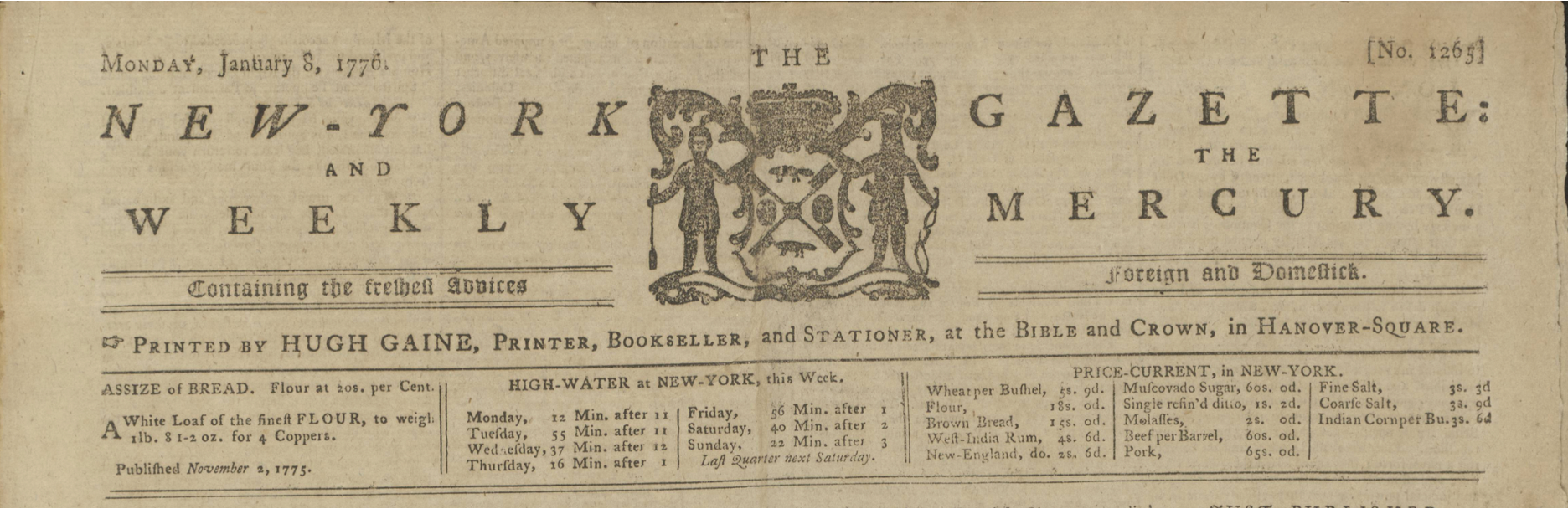
More specifically, about fighting syphilis—in 1776. One of the tasks I set myself when researching any presentation is to peruse primary source documents from the era. Letters and diaries are great for personal insights into the events of the time, but often provide only a narrow focus. What I really love are periodicals, which—especially when read cumulatively—can really capture the zeitgeist of the era.
Thus, for a talk I gave last week with The New York Historical about life in New York in 1776, I turned to various newspapers published in the city that year.
—> We interrupt this newsletter for a quick program note: If you missed the New York Historical talk and you live in New York City, I’m giving an illustrated lecture that’s a variation on the same theme at The Salmagundi Club on Tuesday, April 28.
I’m calling this upcoming presentation New York 1776 : The Crucible of Independence, and we’ll be looking at all the major events in the city that year along with some lesser-known people, places, and turning points from the War of Independence. Click the lecture title, above, for tickets: $10 for the general public; free for Salmagundi and Village Preservation members.
But what does any of this have to do with syphilis?
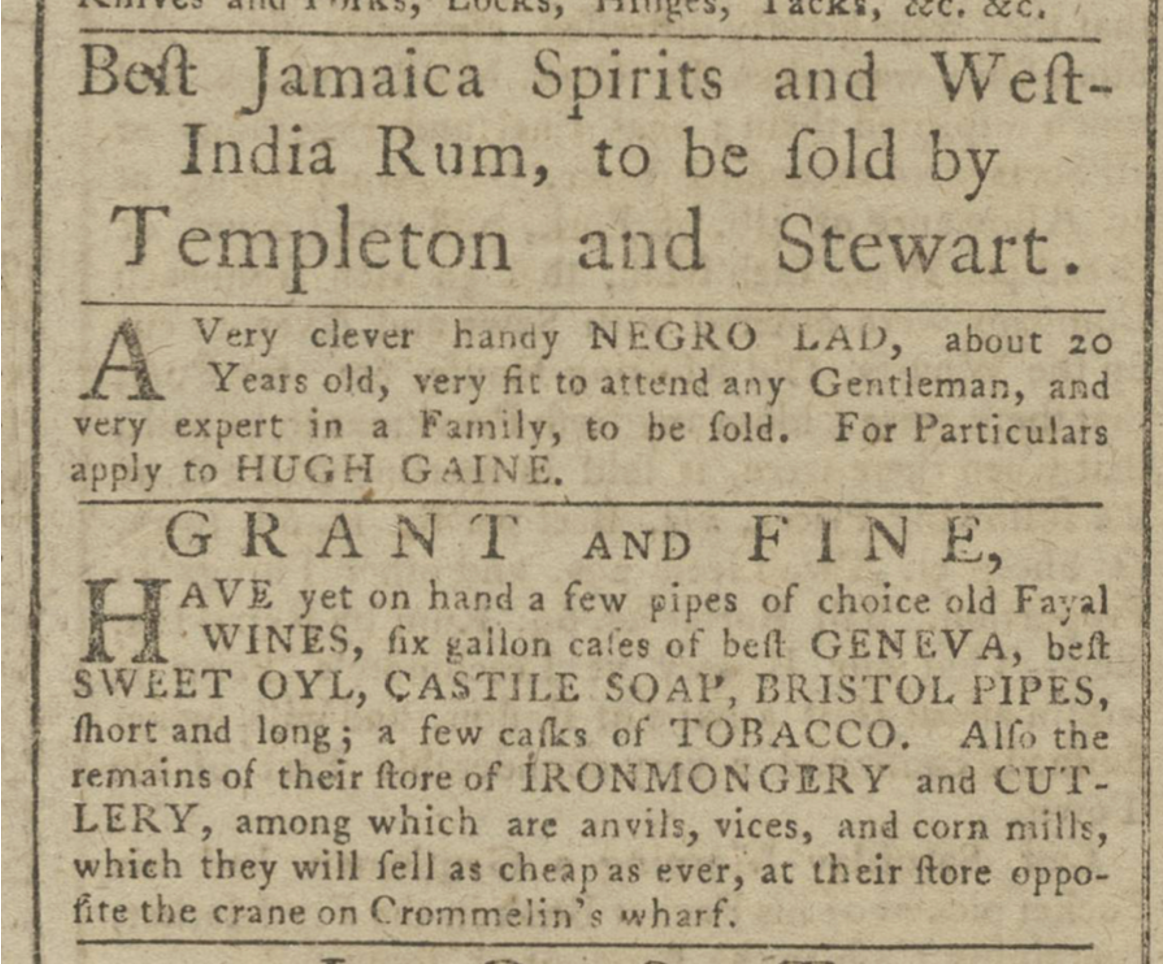
While I probably won’t be talking anti-venereal quackery in this upcoming lecture,1 I’m fascinated by reading ads in these old newspapers, which range from the mundane (houses for sale; lots of ads for booze) to the shocking. For example, our modern eyes just aren’t used to seeing humans being bought and sold via the classifieds:
But by far the largest advertisement in the issue of The New-York Gazette and The Weekly Mercury I was perusing was for Keyser’s Famous Pills, a treatment for what is euphemistically referred to in the opening paragraph as “a certain disease”:
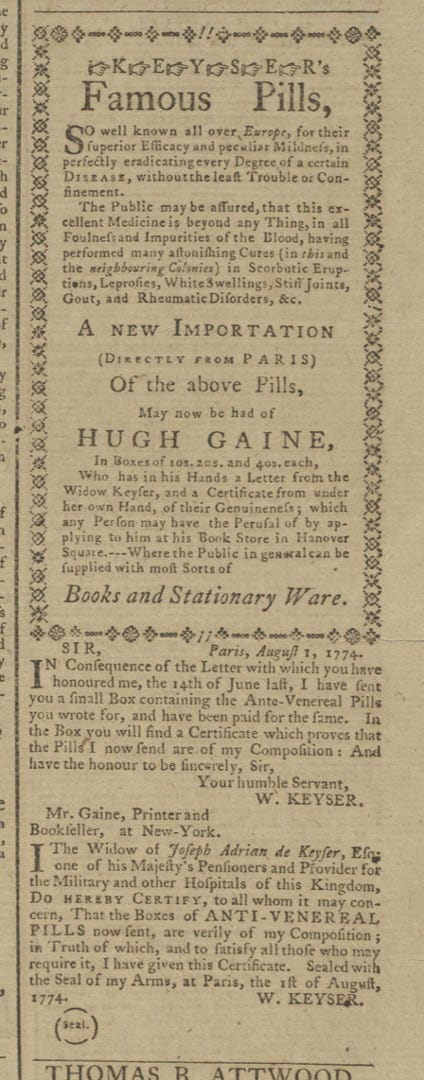
Jean Keyser was a French military surgeon who began peddling his pills—a combination of mercuric oxide and acetic acid—in the first half of the 18th century. Credited with reducing bouts of syphilis in the French army, the pills soon became popular on both sides of the Atlantic. While mercury does have antibacterial properties, modern scientists argue that the pills’ alleged efficacy came mostly from chance—syphilis goes dormant for periods of time and if a period of dormancy coincided with a pill regimen, people believed it was the pills that were responsible.
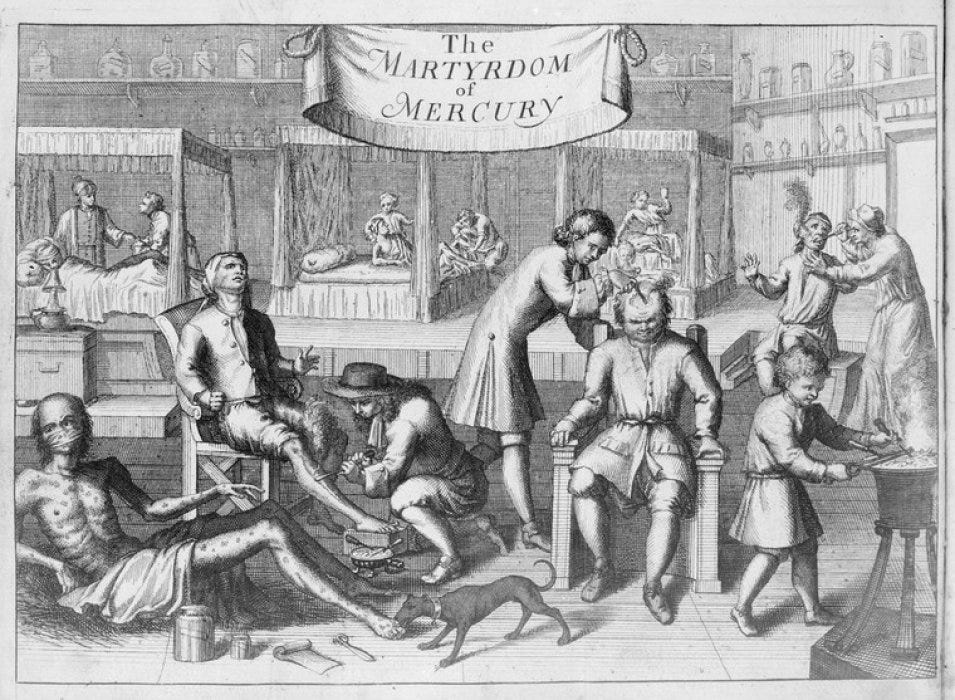
And even if your syphilitic symptoms went away, ingesting mercury can lead to a whole host of side effects, including “organ failure, nerve damage, tooth loss and severe skin ulcers. Numerous patients died as a result of the mercury treatment they were receiving rather than the disease itself.”2
So, why were these pills popular? In part, it was because access to good medical care was hampered by a number of issues, not least among them a lack of well-trained physicians.
What fascinates me the most about the Keyser’s Pills advertisement is how it parallels our current climate of medical authority vs. the internet. It seems like every day I am being fed something on social media by a vaguely authoritative TikToker exhorting me to change my diet/my orthotics/my sex life/my exercise regime because the scientific and medical community is, at worst, purposefully keeping me sick or, at best, too difficult to access.
And the latter is certainly true—just this week, I logged into my medical portal to schedule an appointment with my primary care physician only to see that there was nothing available. Not today, not next week, not ever.
Yet the internet is right here at my fingertips.
Below this point, there be dragons. No, not really—there’s a lot more cool information. But since writing this newsletter is one of the ways I earn my keep, I would encourage you to try to free trial of a paid subscription or go ahead and level up to being a paid supporter in order to read more about New York in 1776.
